Smallest Street Light
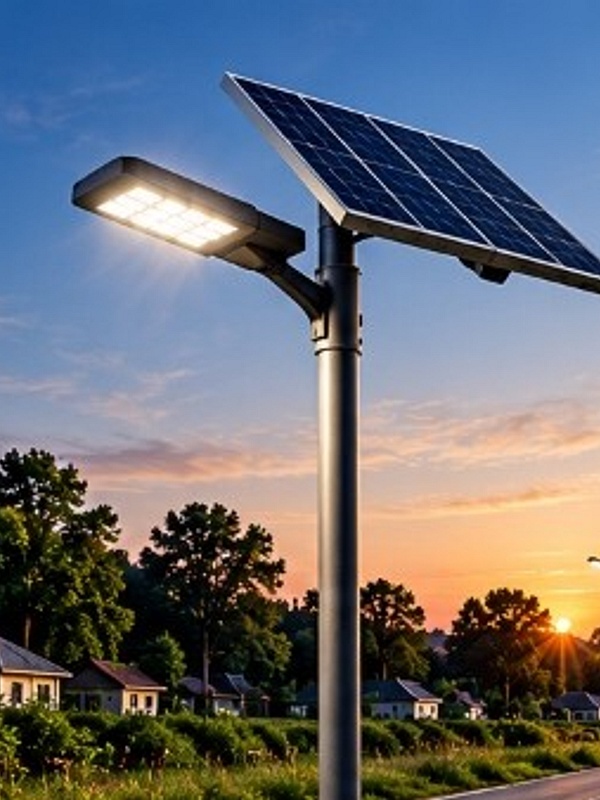
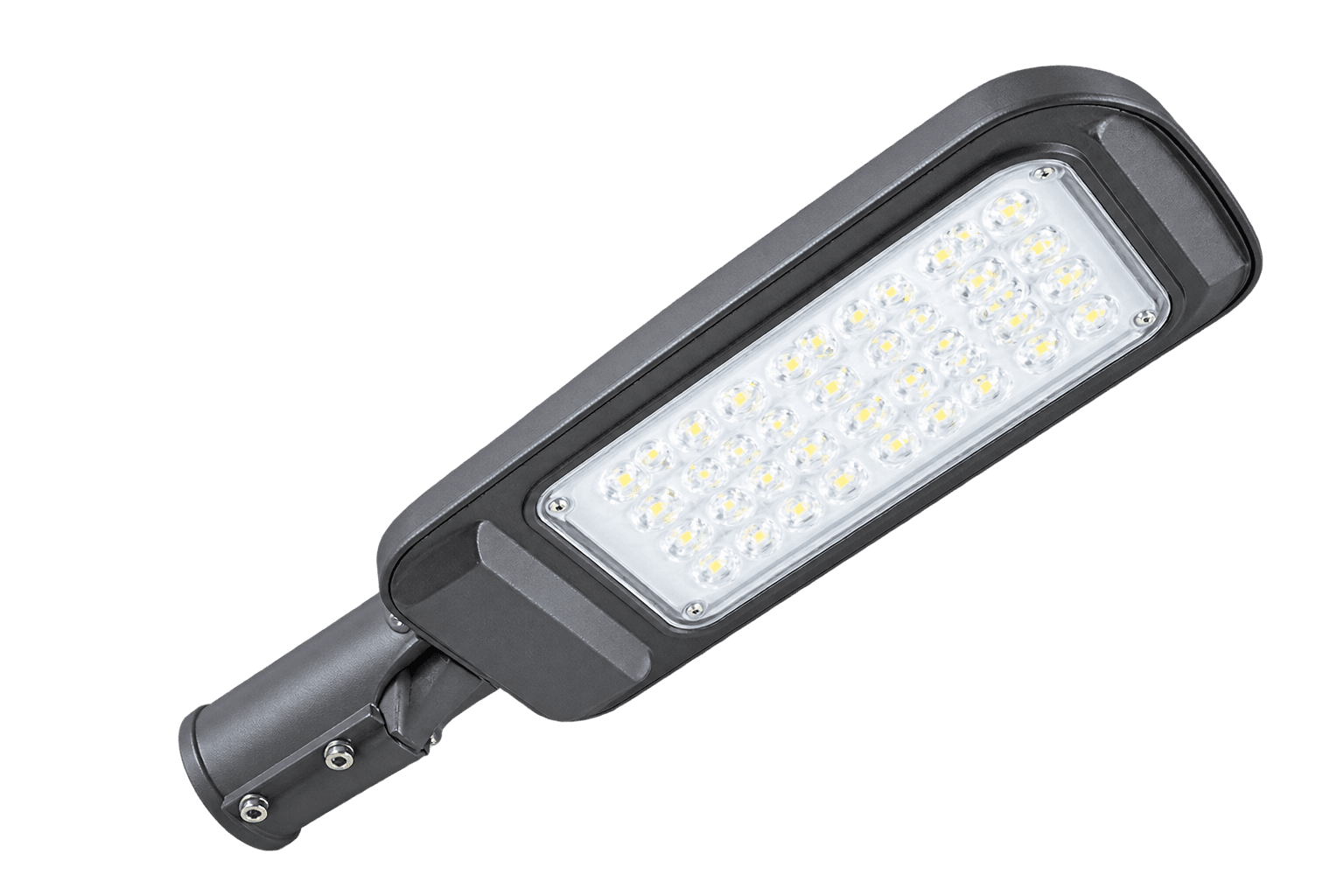
Compact high-efficiency luminaire engineered for village roads, residential lanes, and perimeter boundary walls.
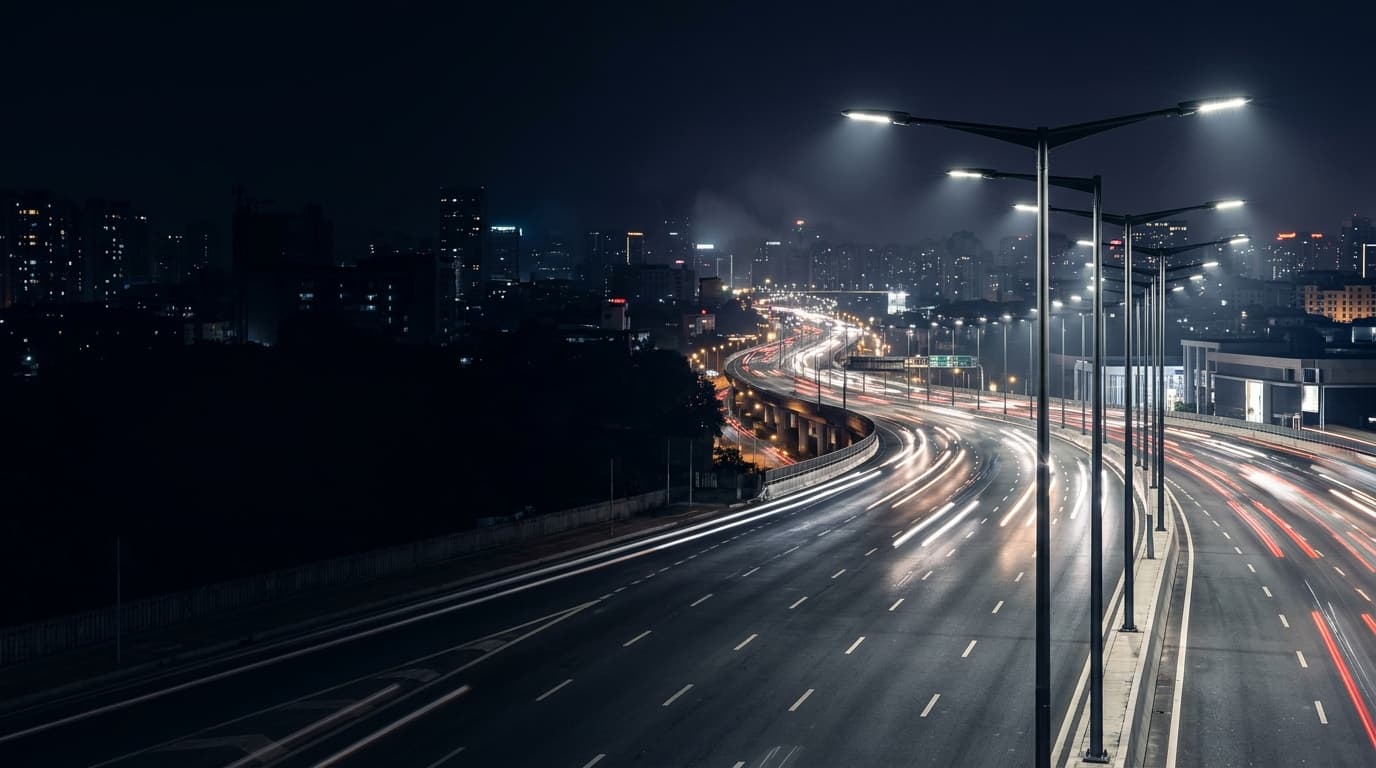
Aerodynamic pressure die-cast (PDC) street luminaires engineered with secondary batwing optics, 150 lm/W efficacy, and toolless driver compartments for highway and rural electrification.
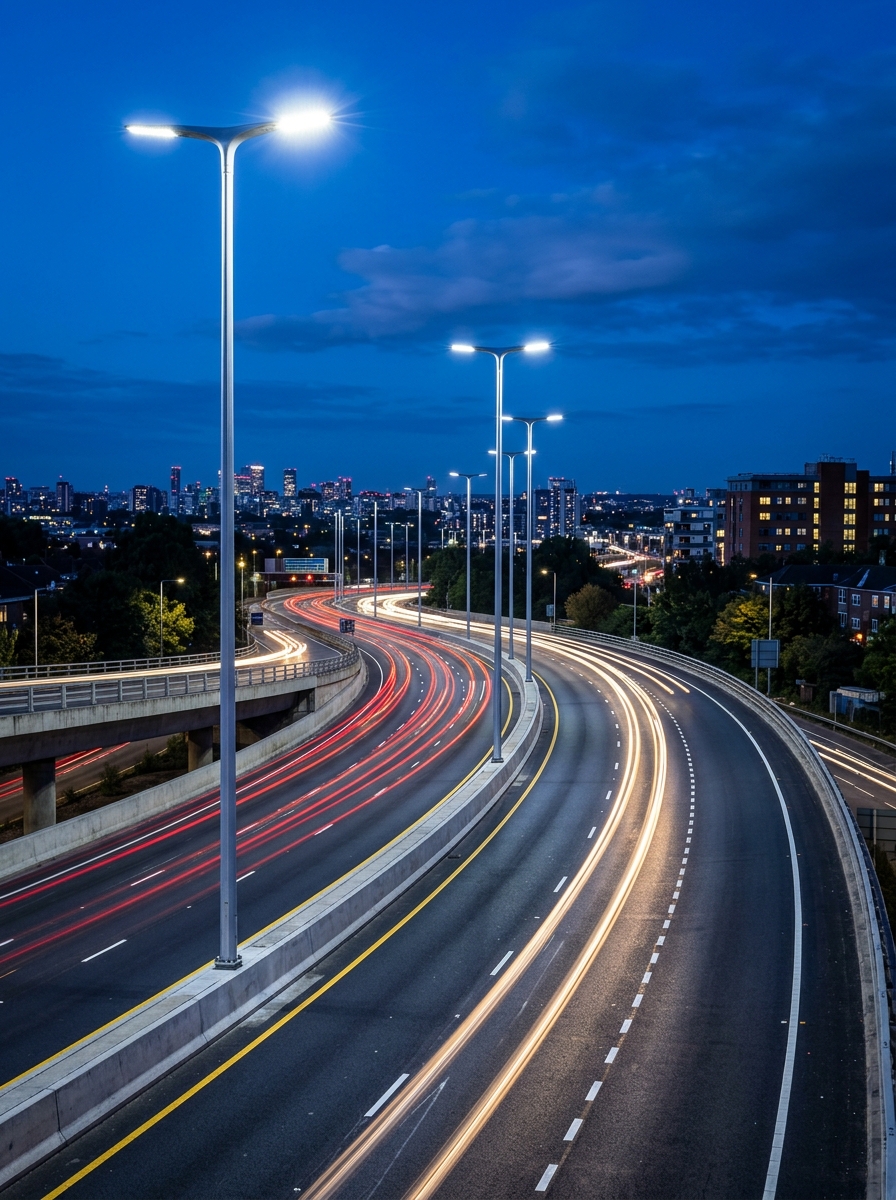
From expressways to village roadways, street lighting requires precise optical cutoff to prevent driver glare while maintaining uniform illuminance between poles. Zrika designs Glass and Frame model fixtures with low wind-resistance profiles. Each streetlight incorporates isolated drivers capable of handling voltage swings from 100V up to 440VAC with 6kV to 10kV surge suppressors.
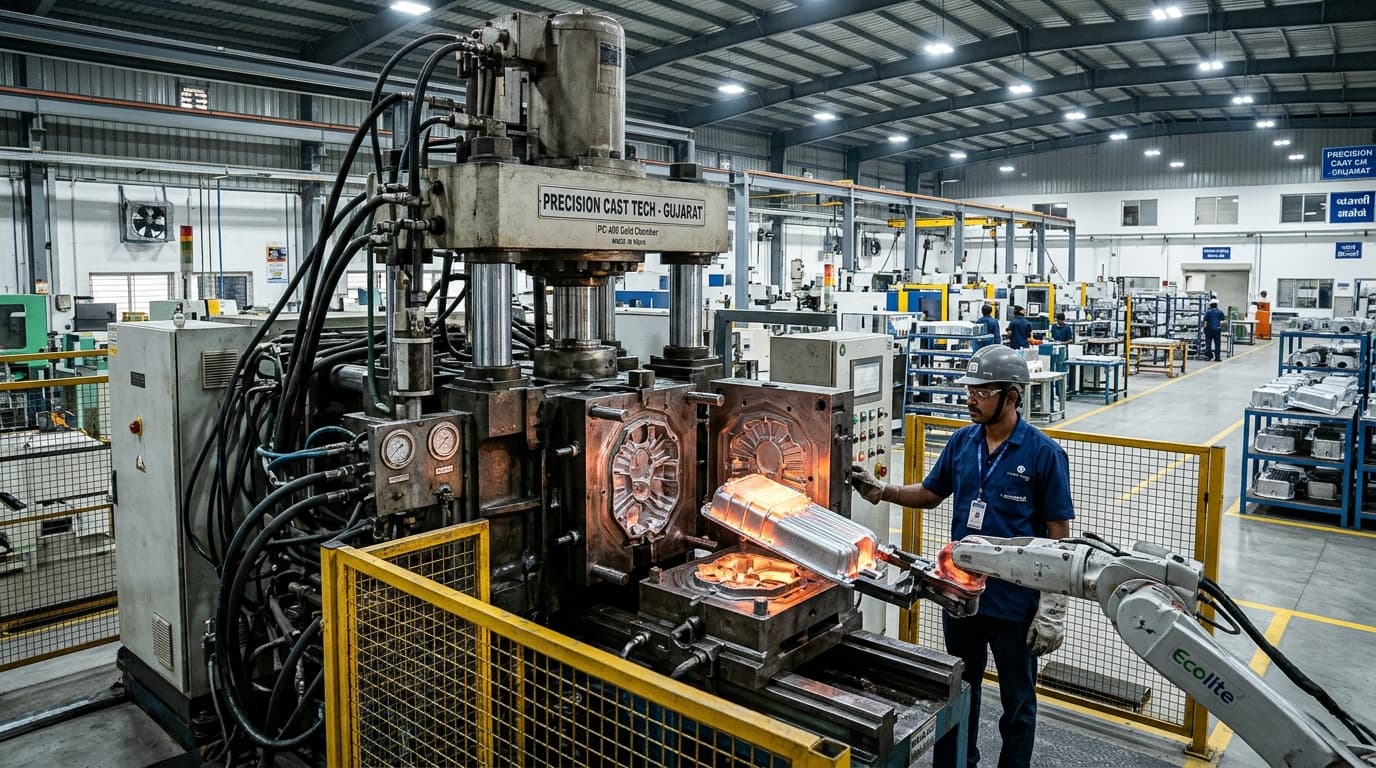
Cast in-house using high-pressure die-cast LM6 aluminum with aerodynamic wind-shedding fins, secondary batwing PMMA lenses, and toolless access latches, our street luminaires meet IRC roadway compliance and deliver over 140 lm/W efficacy with 10kV surge immunity across national highways and municipal corridors.
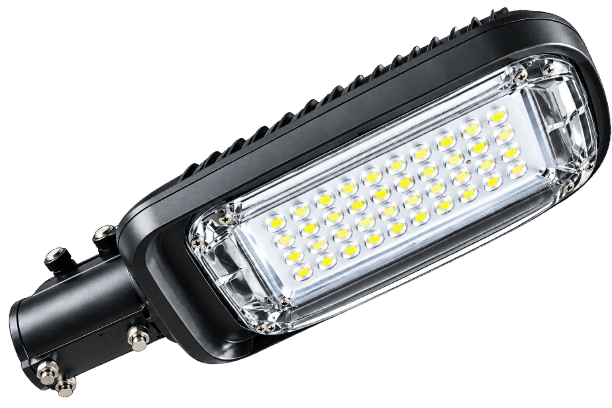
Precision-engineered luminaires tailored for your project specifications and site requirements.
Compact high-efficiency luminaire engineered for village roads, residential lanes, and perimeter boundary walls.
Pressure die-cast luminaire with toughened flat optical glass cover and universal pole mounting clamp.
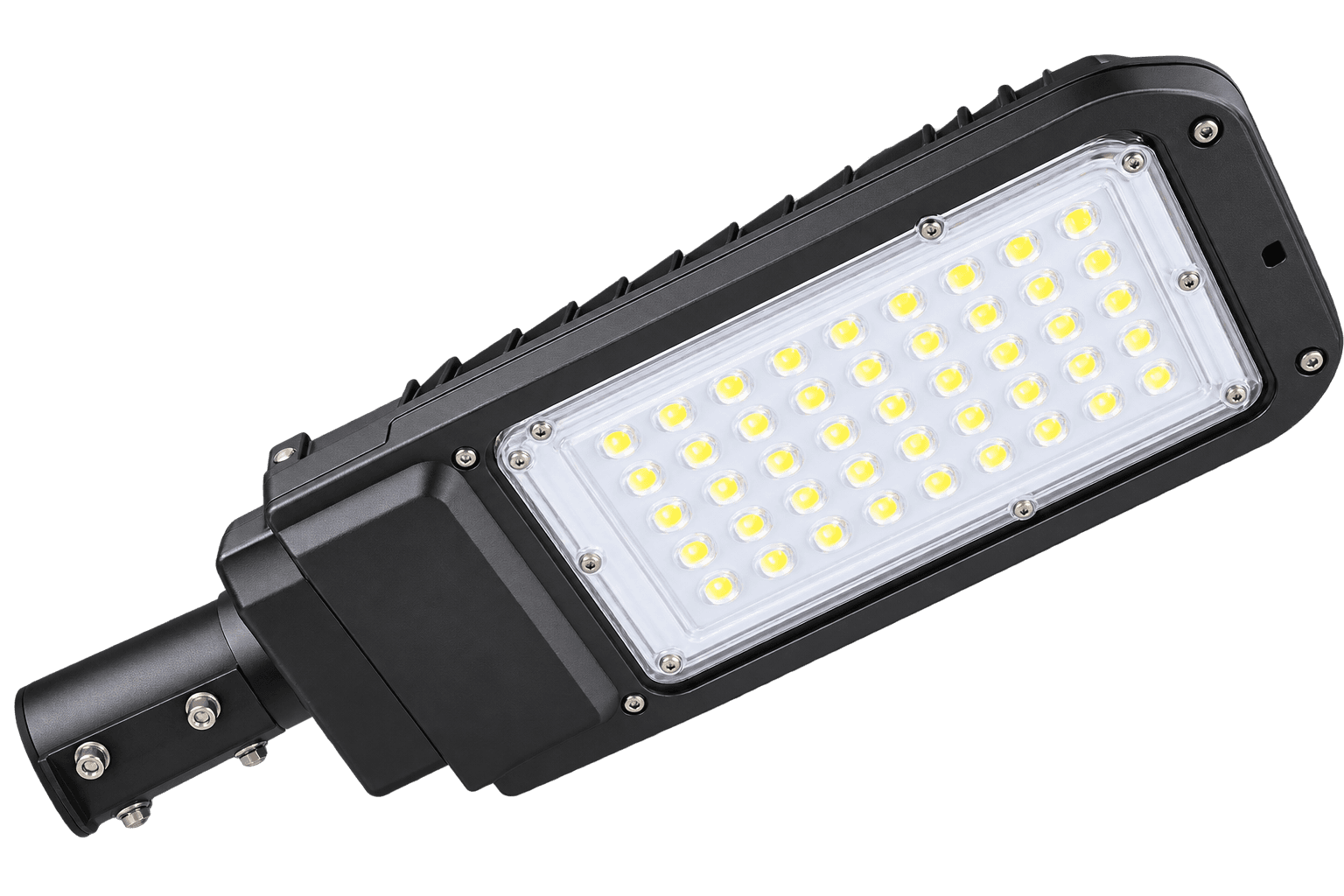
Rugged die-cast framework featuring individual optical lens units and integrated heat sink fins for rural roadways.
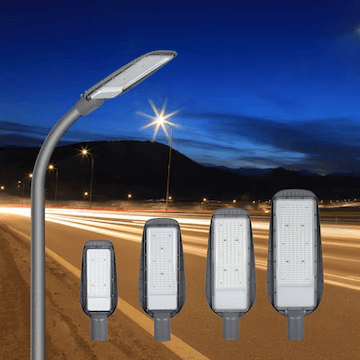
Engineered for municipal durability, our die-cast streetlights combine secondary batwing optics, high-voltage cutoff drivers, and 10kV surge immunity to deliver uniform roadway illumination across highways.
High thermal conductivity ADC12 alloy body keeps junction temperatures well below 65°C for sustained L70 lumen maintenance.
Auto-resetting cutoff circuit safeguards against accidental 440VAC phase-to-phase faults and extreme industrial grid spikes.
Secondary Type II/III polycarbonate optical lenses maximize lateral pole spacing while eliminating zebra striping on roadways.
Snap-lock access hatch enables rapid roadside driver replacement or wiring inspection without dismounting the fixture pole clamp.
Dual-stage 10kV / 10kA surge protection device protects sensitive LED arrays from nearby lightning strikes and grid transients.
Aerodynamic low-drag PDC profile rigorously tested to withstand 160km/h gale winds and relentless flyover structural vibrations.
Designed for diverse road classifications and infrastructure projects.
A transparent and collaborative engineering process that ensures the right solutions are built for your project.
Detailed evaluation of your site layout, target lux levels, mounting heights, pole spacing, ambient conditions, and electrical parameters before proposing a solution.
Matching the ideal die-cast luminaire, optical beam distribution (Type II/III batwing, narrow or wide), color temperature (CCT), and driver surge protection rating.
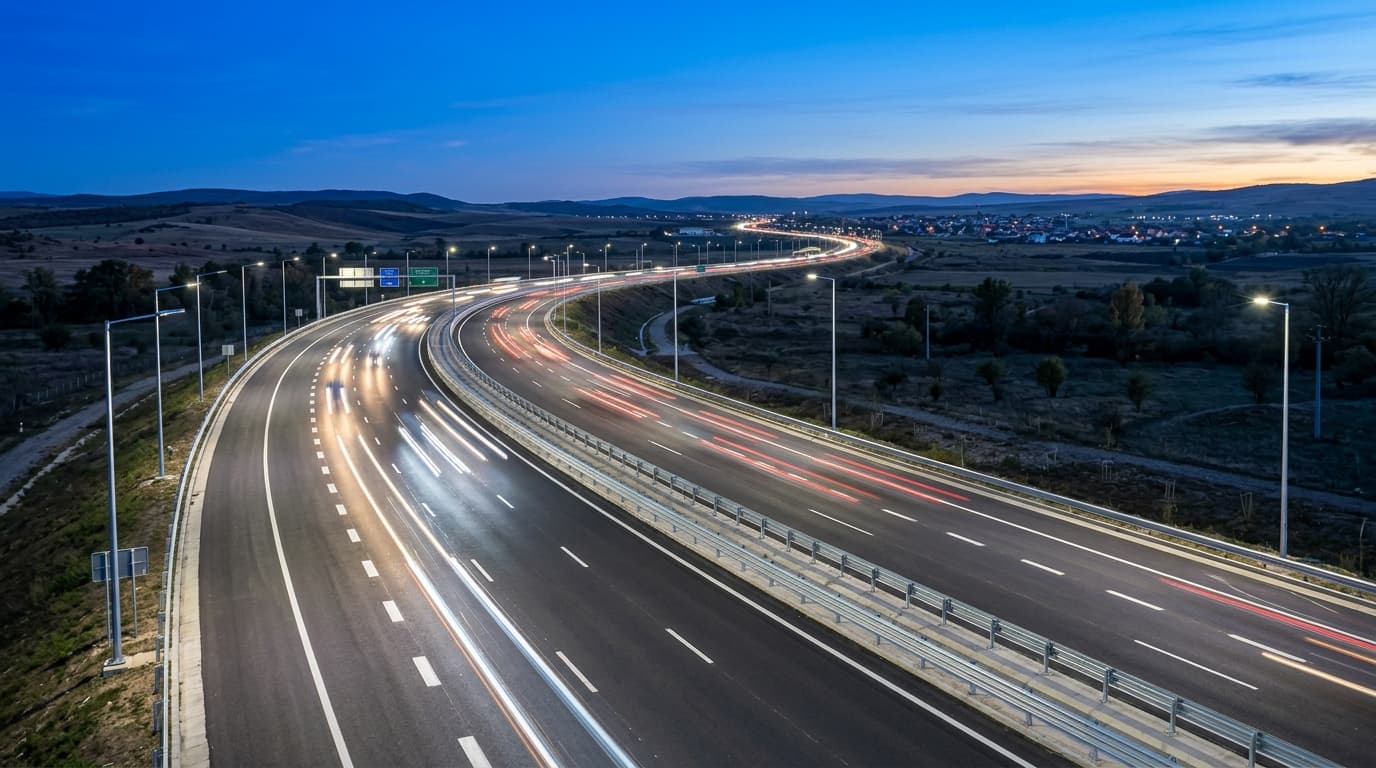
Complete 3D Dialux photometrics, false-color lux maps, overall uniformity (U0) verification, and glare assessment reports to guarantee technical compliance.
Direct technical consultation, customized mounting accessories, sample testing, contractor coordination, and comprehensive warranty documentation.
Share your road specifications or Bill of Quantities (BOQ) for instant technical compliance sheets and quotes.
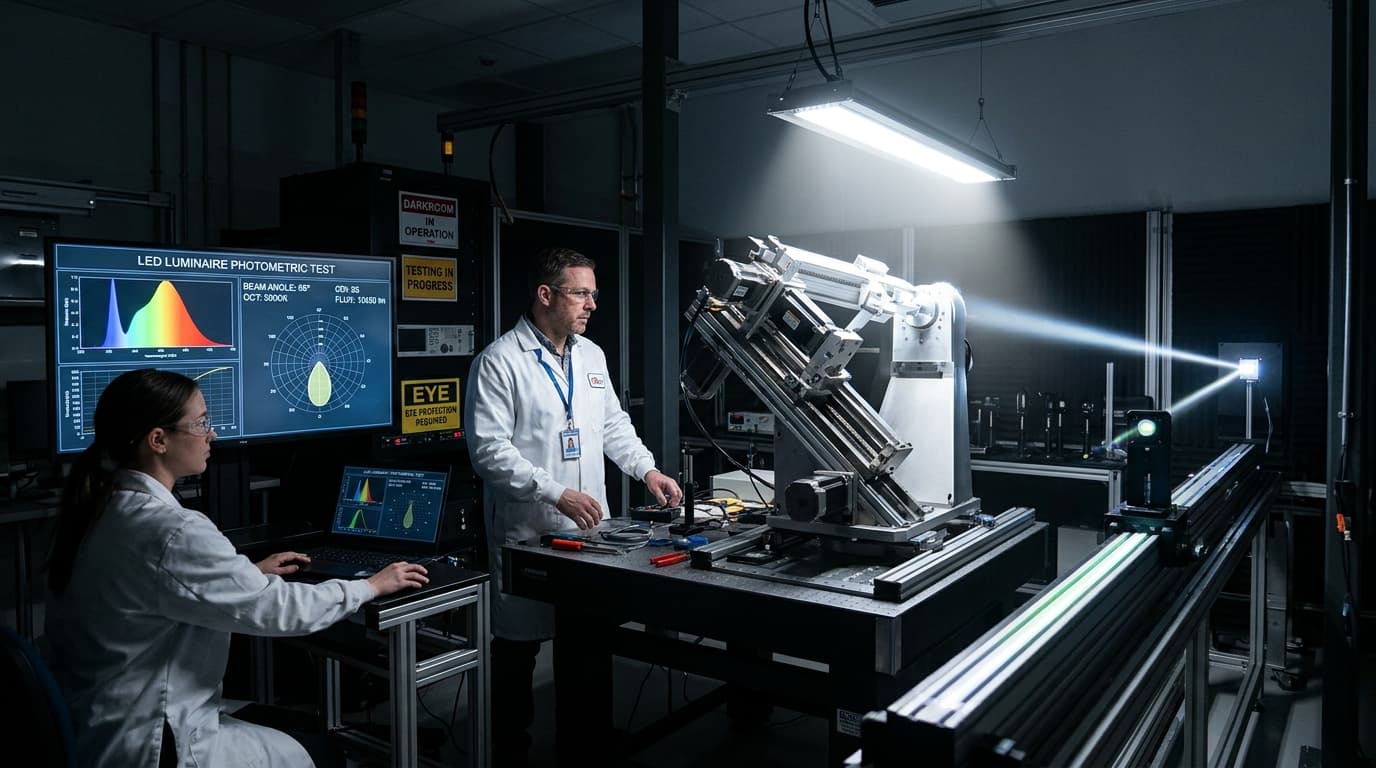
The Glass Model uses a sealed die-cast housing with flat toughened glass for maximum dust and moisture protection. The Frame Model uses an open aluminum frame suitable for rural applications and competitive tenders.